How Tobacco Regulation Is Reshaping the Premium Cigar Industry

How Tobacco Regulation Impacts Premium Cigars  Cigardepotus
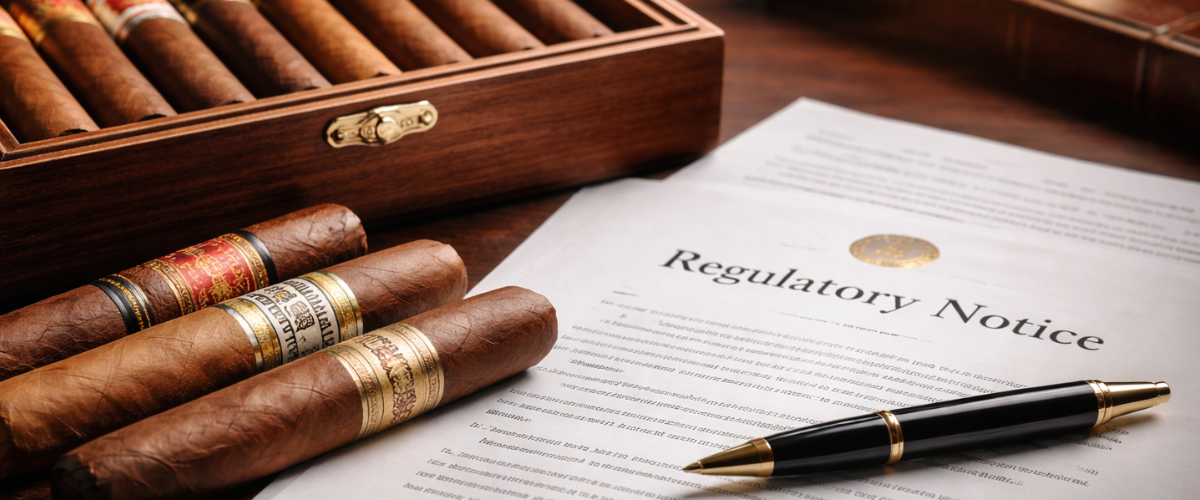
The premium cigar industry operates at the intersection of craftsmanship, agriculture, and regulation. While handmade cigars remain distinct from mass-produced tobacco products, evolving legislation continues to reshape cost structures, compliance requirements, and long-term market dynamics. Understanding these regulatory pressures is essential—not only for manufacturers and retailers, but for serious cigar smokers who value transparency in the products they enjoy.

The Current Regulatory Landscape

Modern tobacco regulation in the United States operates on both federal and state levels. Key areas influencing the premium cigar sector include:
  • Federal oversight under FDA tobacco authority
  • Tobacco 21 retail compliance requirements
  • State excise taxes on tobacco products
  • Packaging and health warning mandates
  • Restrictions on flavored tobacco products in certain jurisdictions
While premium handmade cigars have historically been treated differently in some legislative contexts, compliance costs continue to rise across the industry. For manufacturers, this means increased administrative burden and reporting requirements. For retailers, it often results in tighter margins and operational adjustments. For consumers, it translates into gradual pricing shifts.

Cost Pressure Without Compromising Craft

A common misconception is that regulatory pressure directly weakens product quality. In the premium cigar segment, that assumption rarely holds. Blend integrity defines brand reputation. Established manufacturers and respected boutique operations understand that altering core tobacco components to offset regulatory costs risks long-term brand damage. Instead, most adjustments occur in areas such as:
  • Strategic pricing recalibration
  • Limited production allocations
  • Distribution efficiency
  • Inventory management optimization
The pressure is economic—not artistic. Premium cigars remain agricultural products requiring aging, skilled labor, and careful quality control. Regulation affects business mechanics more than craftsmanship itself.

Industry Consolidation and Market Dynamics

One measurable effect of increasing regulation is market consolidation. Larger, well-capitalized cigar companies are often better positioned to absorb compliance costs. Smaller boutique manufacturers may face proportionally higher operational strain. This dynamic can:
  • Accelerate mergers and acquisitions
  • Shift distribution channels
  • Increase the importance of strong retail partnerships
However, demand for handcrafted, small-batch cigars remains resilient. Enthusiasts continue to value authenticity and production transparency. Regulation may reshape structure—but it has not eliminated consumer appetite for artisanal cigars.

The Retail Response: Expertise Over Price Competition

As compliance requirements grow, successful retailers are adapting with greater sophistication. Rather than competing solely on price, premium cigar retailers are focusing on:
  • Curated inventory selection
  • Educational content and guided experiences
  • Exclusive releases and limited allocations
  • Strengthened online presence and direct-to-consumer channels
Knowledge, trust, and product curation increasingly define competitive advantage. Retailers that position themselves as educational authorities—rather than transactional outlets—are better equipped to navigate regulatory complexity.

What This Means for the Serious Cigar Smoker

For informed smokers, regulatory change signals evolution—not decline. Premium handmade cigars remain fundamentally different from mass-produced tobacco products. They are labor-intensive, agricultural luxuries defined by terroir, fermentation, aging, and skilled rolling. While pricing structures may shift, craftsmanship standards among reputable producers remain intact. Understanding the regulatory environment allows consumers to better interpret pricing trends and industry shifts—without assuming compromise in quality.

FAQ

Are premium cigars regulated the same way as cigarettes?

No. Although both fall under federal tobacco authority, premium handmade cigars have historically been considered separately in certain regulatory discussions due to their production process and usage patterns.

Why do cigar prices rise even when blends remain unchanged?

Increases in excise taxes, compliance requirements, and distribution costs raise overall operational expenses—even when the tobacco blend remains identical.

Does regulation threaten boutique cigar brands?

Rising compliance costs can present challenges for smaller manufacturers. However, strong brand identity and consumer loyalty continue to support boutique producers.

How can consumers support the premium cigar industry?

Purchasing from reputable retailers, supporting quality-focused brands, and staying informed about industry developments all contribute to long-term sustainability.

Closing Perspective

Regulation is now a structural component of the premium cigar industry. It influences economics, distribution, and compliance—but it has not diminished the cultural and agricultural foundations of handmade cigars. The future of the industry will depend on informed consumers, disciplined producers, and retailers who prioritize education and credibility. At Cigar Depot, we believe authority begins with understanding.

    Leave a Reply

    Your email address will not be published. Required fields are marked *

    Welcome to Cigar Depot

    You must be 21 years of age or older to enter this site. By clicking "I'm 21+", you confirm that you are of legal smoking age in your jurisdiction.

    Shop by Category