No products in the cart.
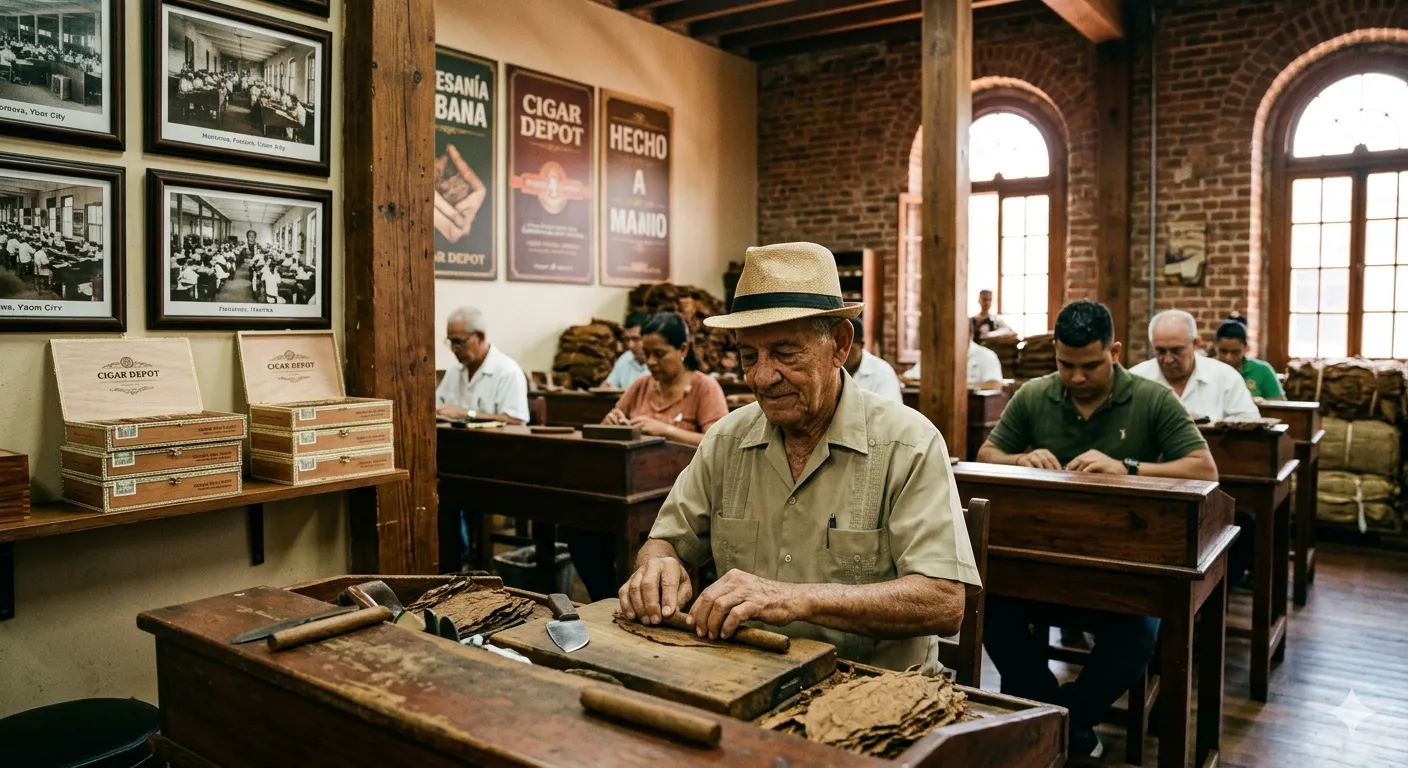
Cigar factories are more than places where tobacco is rolled and packaged. For generations, they have served as cultural landmarks where craftsmanship, migration, and tradition intersect. Across the Americas, these factories helped shape entire communities while preserving the artisanal methods that define premium cigars today.
From the historic factories of Havana to the early cigar workshops of Key West, the rolling rooms of Tampa’s Ybor City, and the modern production hubs of Nicaragua and the Dominican Republic, cigar factories remain central to the story of cigar culture.
Havana: The Birthplace of Legendary Brands
Across the Florida Straits, Havana remains one of the most historically significant centers of cigar production. During the 19th century, the city became the heart of the global cigar trade, home to factories that helped establish the reputation of premium cigars worldwide.
Factories such as Partagás and H. Upmann have operated for more than a century, producing cigars recognized across the globe. These factories were known not only for their architecture but also for the meticulous craft practiced inside their rolling rooms.
Skilled torcedores selected, bunched, and rolled tobacco leaves by hand, following traditions that had been refined over generations. In Havana, cigar factories became symbols of national pride, representing both cultural heritage and the global prestige of Cuban tobacco.
Key West: The First Migration of the Industry
Political instability and economic changes in Cuba during the 19th century led many cigar manufacturers and workers to seek opportunities beyond the island. One of the first major destinations was Key West, Florida.
By the mid-to-late 1800s, Key West had become a thriving center of cigar production in the United States. Cuban immigrants brought their expertise, traditions, and tobacco knowledge with them, establishing factories that closely resembled those in Havana.
These early factories preserved the craft of hand-rolled cigars while creating new economic opportunities for immigrant communities. Key West quickly gained recognition for producing high-quality cigars and served as an important bridge between the Cuban cigar tradition and the emerging American cigar industry.
Ybor City: America’s Historic Cigar Capital
No discussion of cigar factories in the United States is complete without Ybor City in Tampa, Florida. In the late 19th century, entrepreneur Vicente Martínez-Ybor moved his cigar operations from Key West to Tampa, establishing what would become one of the most important cigar manufacturing centers in the world.
At its peak in the early 1900s, Ybor City produced hundreds of millions of cigars annually. The district became home to Cuban, Spanish, and Italian immigrant workers who brought with them traditions, language, cuisine, and craftsmanship that shaped Tampa’s cultural identity.
Factories in Ybor City also preserved the tradition of the lector — a reader who would read newspapers and literature aloud to cigar workers during the workday. This practice helped educate workers while strengthening the social fabric of the factory floor.
The Dominican Republic and Nicaragua: Modern Centers of Craftsmanship
Today, much of the world’s premium cigar production takes place in the Dominican Republic and Nicaragua. Modern factories in these countries combine traditional hand-rolling techniques with advanced quality control and aging processes.
Factories such as Tabacalera de García in the Dominican Republic and operations throughout Estelí, Nicaragua, produce millions of premium cigars each year while maintaining the artisanal methods that define handmade cigars.
These regions continue to attract experienced rollers and tobacco growers, ensuring that the craft of cigar making evolves while remaining rooted in tradition.
Where Craftsmanship Meets Community
Beyond their economic role, cigar factories have historically served as community anchors. Workers, families, and entire neighborhoods often formed around these factories, creating unique cultural identities tied to cigar production.
Even today, visiting a cigar factory offers a glimpse into the human side of cigar making — the careful selection of tobacco leaves, the rhythm of hand-rolling, and the quiet concentration of torcedores shaping each cigar.
For cigar enthusiasts, understanding the history of these factories deepens appreciation for the craftsmanship behind every cigar.
Frequently Asked Questions
Why are cigar factories historically important?
Cigar factories helped shape local economies, immigration patterns, and cultural traditions in many regions where cigar production developed.
What made Ybor City famous in cigar history?
Ybor City became one of the largest cigar manufacturing centers in the world during the early 20th century and played a major role in Tampa’s cultural development.
Which countries produce most premium cigars today?
The Dominican Republic and Nicaragua are currently the leading producers of premium handmade cigars.
What happens inside a cigar factory?
Inside a factory, tobacco leaves are sorted, aged, blended, bunched, and rolled by skilled torcedores before the cigars are inspected and packaged.
Can cigar factories be visited?
Many cigar factories in countries like Nicaragua and the Dominican Republic offer tours that allow visitors to see the cigar-making process firsthand.
A Living Legacy
From the historic factories of Havana to the immigrant workshops of Key West, the bustling rolling rooms of Ybor City, and the modern factories of Estelí and Santiago, cigar factories represent more than production facilities.
They are living institutions that preserve the craft, culture, and tradition behind every premium cigar. For enthusiasts, every cigar carries a piece of this legacy — a reminder that the art of cigar making continues to thrive across generations and borders.