No products in the cart.
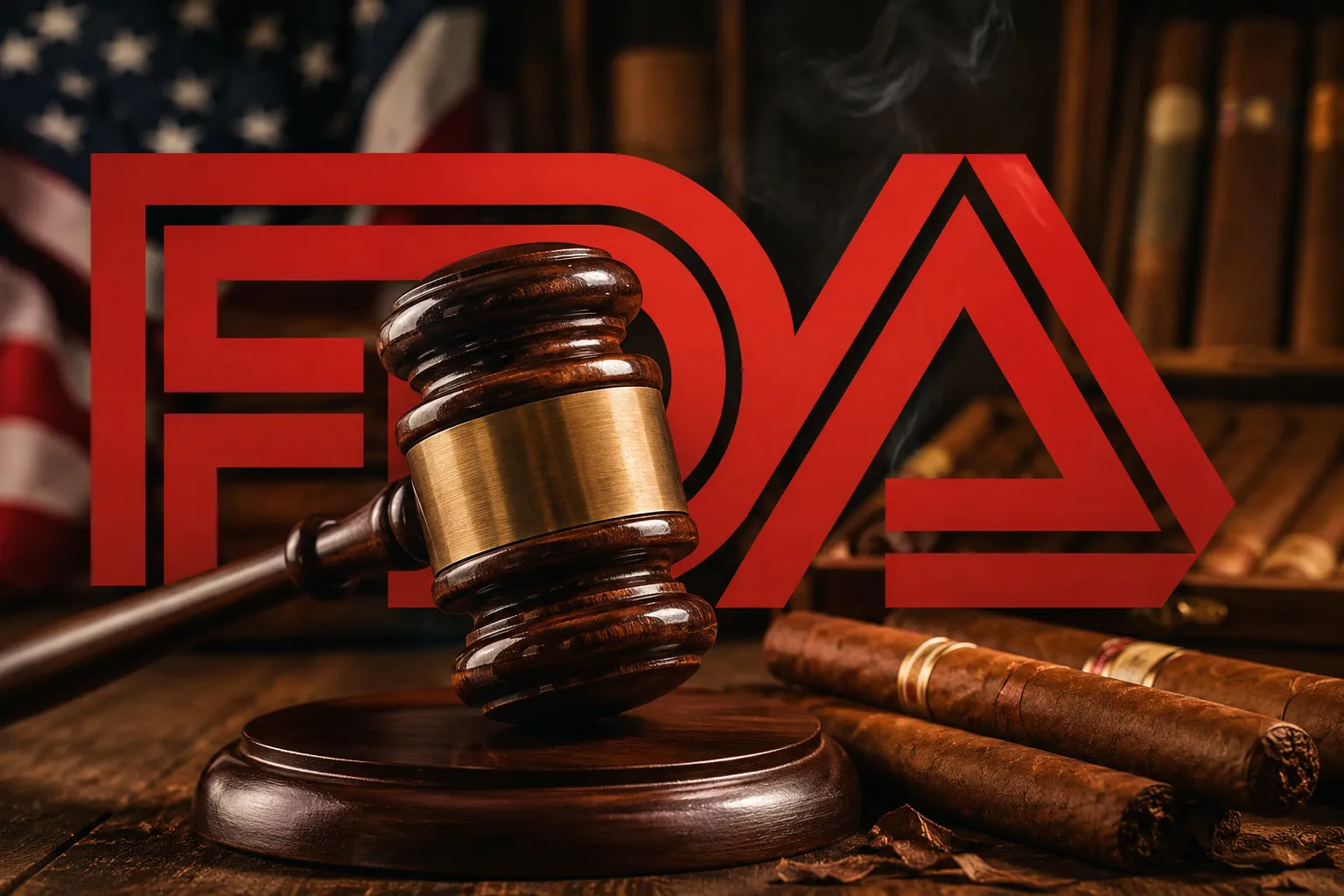
A major federal court decision has brought renewed attention to one of the most important questions in the premium cigar industry: should handmade premium cigars be regulated the same way as mass-market tobacco products?
In April 2026, Judge Amit P. Mehta of the U.S. District Court for the District of Columbia reaffirmed that the FDA’s Deeming Rule does not apply to premium cigars as defined by the court. The decision follows years of litigation between cigar industry groups and the U.S. Food and Drug Administration over whether premium handmade cigars should be treated differently from other tobacco products.
For cigar manufacturers, retailers, lounges, and consumers, this ruling is more than a legal headline. It reinforces an important distinction at the center of the premium cigar world: handmade cigars are not simply another tobacco product. They are part of a slower, more traditional, craftsmanship-driven category.
What Happened?
The legal dispute goes back to the FDA’s Deeming Rule, which extended federal tobacco regulations to additional tobacco products, including cigars. Industry groups challenged how those rules applied to premium cigars, arguing that the FDA did not properly consider evidence showing meaningful differences between premium cigars and other tobacco products.
In 2023, the District Court vacated the rule as applied to premium cigars. In 2025, the D.C. Circuit largely affirmed that decision but sent the issue back to the District Court for one specific question: what exactly qualifies as a “premium cigar”?
The latest decision keeps the existing court definition in place and reaffirms that premium cigars meeting that definition are outside the FDA Deeming Rule.
What Counts as a Premium Cigar?
Under the court’s definition, a premium cigar must meet several requirements. It must be wrapped in whole tobacco leaf, contain a 100% leaf tobacco binder, include at least 50% long filler tobacco by weight, and be handmade or hand rolled.
It also cannot have a filter, non-tobacco tip, or non-tobacco mouthpiece. It cannot have a characterizing flavor other than tobacco. It must contain only tobacco, water, and vegetable gum, with no other ingredients or additives. It must also weigh more than 6 pounds per 1,000 units.
That definition matters because it separates traditional handmade premium cigars from flavored cigars, machine-made cigars, and other products that remain subject to FDA regulation.
Why This Matters for the Cigar Industry
This ruling gives premium cigar manufacturers more regulatory clarity. For an industry built around small-batch production, aging, hand rolling, and long-term inventory planning, regulatory uncertainty can be expensive and disruptive.
Premium cigar makers often work with tobacco that takes years to grow, cure, ferment, age, blend, and bring to market. A handmade cigar is not produced on the same timeline as a mass-market tobacco product. Regulations that do not account for those differences can create pressure on boutique manufacturers, family-owned factories, and specialty retailers.
By reaffirming the exemption, the court helps preserve space for the premium cigar category to continue operating according to its traditional production model.
What This Means for Consumers
For the final customer, this decision does not mean cigar laws disappear. Age restrictions, state laws, shipping rules, tax obligations, and platform advertising restrictions still matter.
What it does mean is that the federal court continues to recognize premium cigars as a distinct category within tobacco. That distinction is important because premium cigar consumers typically engage with the product differently from mass-market tobacco users.
Premium cigars are usually purchased for slower, occasional, and experience-driven consumption. They are often tied to lounges, private events, collectors, tastings, pairings, craftsmanship, and tradition.
For consumers, the practical impact is that the premium cigar market may continue to offer a broad range of handmade cigars without some of the same federal regulatory pressures applied to other tobacco categories.
Why the Definition Is So Important
The most important part of this decision may not be the exemption itself, but the definition of what qualifies as a premium cigar.
That definition protects traditional handmade cigars, but it also draws a line. Flavored cigars and machine-made cigars do not automatically receive the same treatment. This matters because the word “premium” can be used loosely in marketing, but in this legal context it has specific requirements.
For the industry, that definition creates both opportunity and responsibility. Manufacturers that want to remain within the premium category must protect the integrity of their materials, process, and presentation.
For retailers and consumers, it reinforces the importance of understanding what truly separates a premium handmade cigar from a product that simply uses premium language.
Craftsmanship Versus Mass-Market Tobacco
At the heart of this issue is a larger cultural question: should all tobacco products be treated the same?
The premium cigar industry has long argued that handmade cigars are different because of how they are made, how they are consumed, and how they are sold. A premium cigar is built around whole leaf tobacco, skilled labor, aging, blending, and manual craftsmanship.
That does not remove health considerations, and it does not make cigars free from regulation. But it does support the idea that premium cigars belong to a distinct category that should not be automatically grouped with mass-market tobacco products.
This court decision strengthens that argument.
What It Means for Retailers and Lounges
For cigar retailers and lounges, the ruling reinforces the value of education.
Customers often hear the word “premium” and assume it only means expensive. But in the cigar world, premium should also communicate construction, origin, materials, aging, and method of production.
Retailers now have an opportunity to explain the difference more clearly. A premium cigar is not just a higher-priced cigar. It is a handmade product with specific characteristics that separate it from machine-made or flavored categories.
This gives lounges and retailers a stronger foundation for building trust with customers who want to understand what they are buying and why it matters.
What Could Happen Next?
The ruling is a significant victory for the premium cigar industry, but it does not mean regulation is gone forever. The FDA could still pursue future rulemaking, and legal questions around user fees and future enforcement may continue.
For now, however, the decision gives the industry meaningful clarity. It confirms that premium cigars, as defined by the court, remain outside the FDA Deeming Rule.
That clarity matters in an industry where time is part of the product. Tobacco is not rushed. Aging is not rushed. Blending is not rushed. And serious regulatory decisions should recognize that premium cigars operate differently from mass-market tobacco.
Final Perspective
This ruling is important because it protects more than a product category. It protects a tradition built on craft, patience, and skilled labor.
The premium cigar industry still faces challenges: taxes, shipping restrictions, advertising limitations, state laws, and changing consumer habits. But this decision reinforces one essential point:
Premium handmade cigars are a distinct category, and that distinction matters.
For cigar smokers, this is a reminder that what makes a cigar premium is not just the band, the box, or the price. It is the process behind it — the tobacco, the hands, the aging, the construction, and the culture that surrounds the experience.
Frequently Asked Questions
What was the FDA Deeming Rule?
The FDA Deeming Rule extended federal tobacco regulations to additional tobacco products, including cigars. The premium cigar industry challenged how those rules applied to handmade premium cigars.
Does this ruling mean premium cigars are unregulated?
No. Premium cigars are still subject to age restrictions, state and local laws, taxes, shipping rules, and other requirements. The ruling specifically concerns the FDA Deeming Rule as applied to premium cigars defined by the court.
What cigars qualify as premium under the court definition?
Generally, cigars must be handmade or hand rolled, wrapped in whole tobacco leaf, use a 100% leaf tobacco binder, contain significant long filler tobacco, have no non-tobacco tip or filter, contain no characterizing flavor other than tobacco, and meet other specific requirements.
Are flavored cigars included in the exemption?
No. Flavored cigars are not included under the court’s premium cigar definition if they have a characterizing flavor other than tobacco.
Why does this matter to cigar smokers?
It helps preserve the distinction between handmade premium cigars and mass-market tobacco products, supporting continued access to traditional handmade cigars made with whole leaf tobacco and artisanal methods.
Could the FDA regulate premium cigars again in the future?
Future rulemaking is still possible. The current decision provides important clarity, but it does not prevent all future regulatory action.